Everything You Need to Know Before Your Gorilla Trek
There’s a moment on every gorilla trek when the forest seems to hold its breath with you. Nothing prepares you for what happens next, but a little planning makes sure you arrive ready to enjoy it.
Gorilla trekking runs year-round, since gorillas don’t migrate and permits are available every month. That said, the dry seasons offer firmer trails and easier hiking, which is why they’re the busiest and most expensive months to book.
The rainy months trade muddy, slippery terrain for thinner crowds, greener forest and lower permit prices.
Dry Seasons
June–September December–February
Firmer trails and easier hiking. The busiest and most expensive months to book.
Rainier Seasons
March–May October–November
Greener forest, thinner crowds and lower permit prices, with muddier trails.
Low-season permits
Uganda offers discounted gorilla permits in April, May and November: $600 for foreign non-residents. Low-season permits can’t be rescheduled if plans change. Ask our team to confirm current rates and conditions.
The trekking experience
What Happens on the Day?
It’s quieter and more intimate than most people expect: no cages, no barriers, just a family that has learned to tolerate visitors.
01
Morning Briefing
Meet at the park office, where rangers assign you to a gorilla family based on fitness level and interest.
02
Meet Your Team
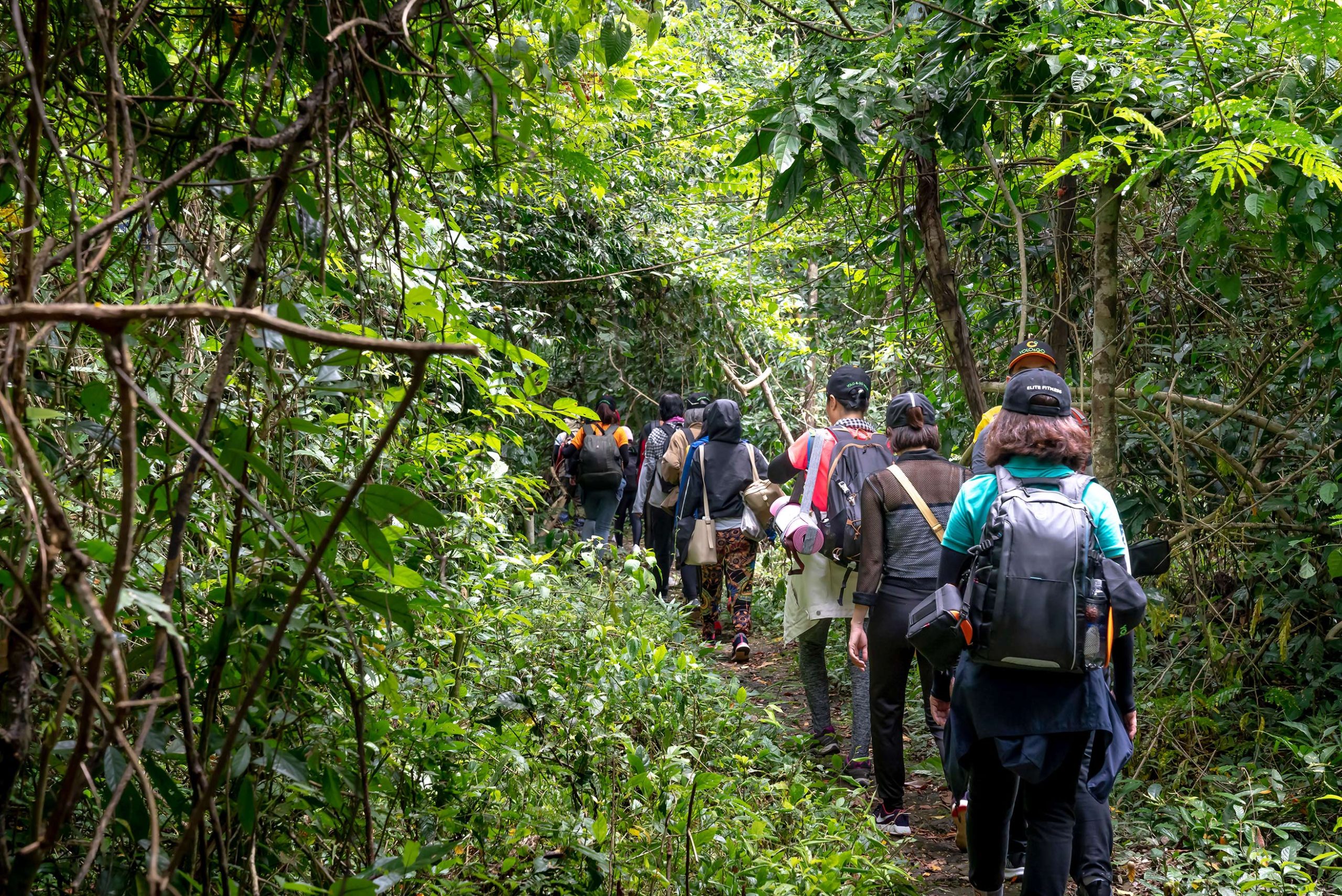
Set off with an armed ranger, a guide and trackers who have usually already located the family that morning.
03
Follow the Trail
The search can be short or take several hours, depending on where the gorillas have wandered.
04
Find the Gorillas
Spend one extraordinary hour watching them feed, groom and move through the undergrowth.
05
Return
Trek back from the forest with your guides.
“No cages, no barriers, just you and a family that has learned to tolerate visitors.”
Be ready for the forest
What to Pack for Gorilla Trekking
Practical clothing and a light daypack make a demanding trail far more comfortable.
Hiking Boots
Sturdy, broken-in boots with ankle support
Waterproof Jacket
Rain can arrive without warning, in any season
Long Clothing
Long trousers and a long-sleeved shirt, tucked in
Gardening Gloves
For gripping vines and branches
Daypack
Water, snacks and camera gear
Insect Repellent
Protection on the trail
Sunscreen
Even beneath the canopy
Camera Without Flash
Flash disturbs the gorillas
Respect the gorillas
The Rules That Protect You and the Gorillas
These exist to protect the gorillas as much as you.
Keep a safe distance from the gorillas at all times.
Small groups only: each gorilla family has a strict daily visitor limit.
Do not trek when unwell. Anyone with a cold, flu or other contagious illness will be turned back.
Cover coughs and sneezes: turn away and cover your mouth.
No flash photography.
Minimum trekking age: 15.
No eating or smoking near the gorillas.
Follow your ranger’s instructions immediately.
Fitness & difficulty
Do I Need to Be Very Fit?
You don’t need to be an athlete, but you do need reasonable fitness. The terrain is often steep, uneven and slippery, and treks can last several hours depending on where the gorillas are that day.
Rangers also match trekking groups to ability where possible, so let your operator know upfront if mobility is a concern.
High altitude
Steep, forested terrain
Up to 7 hours
Possible trekking time
Porters
Available at the park
Need an Extra Hand?
Porters are available to hire at the park for a small fee. They carry your bag and can help you through steep or slippery sections of trail, well worth it if you’re unsure of your stamina.